

Already away or still packing? Here is your Amazon checklist for a safe home and a good read

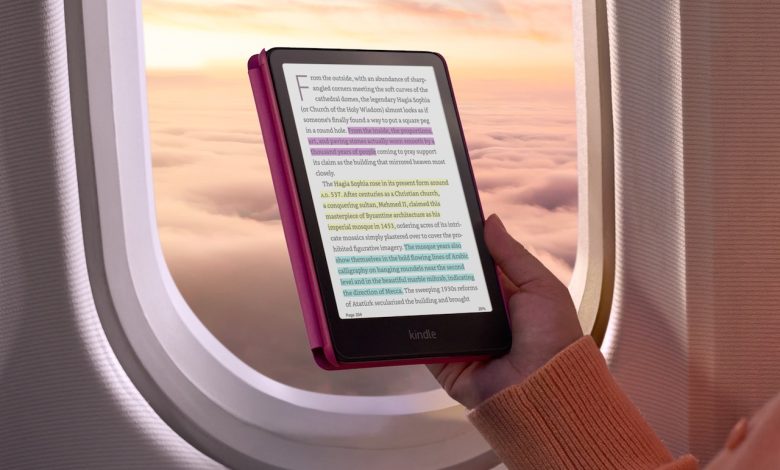
Summer travel season is in full swing across the UAE, with many residents already away or gearing up for their next trip. For families travelling from the UAE, that also means an empty home left behind. With Alexa-enabled and Ring devices, residents can monitor, automate, and secure their homes from anywhere the season takes them, while Kindle e-readers make it easy to dive into a good book on the plane, by the pool, or at the beach.
Whether you’re already away or still packing, run through this checklist:
1. Control your smart home from the Alexa app
You don’t have to be home to stay in control. The Alexa app lets you manage all your compatible smart home devices straight from your phone, no matter where you are. Turn the air conditioning up or down, switch lights on or off, and keep your routines running on the go. Anything you can do at home, you can do from the departure lounge.
2. Create an Away Routine
Using an Alexa Away Routine through an Echo device like the Echo Dot Max or Echo Show 11 and compatible smart home devices, you can switch lights on and off at set times while you are out of the country, creating the impression someone is home. It can also control the AC automatically, keeping humidity away while cutting energy use without any manual intervention. Set it once before departure and Alexa handles the rest.
3. Set up your Ring devices for live monitoring
Ring devices like Indoor Cam Plus, Outdoor Cam Plus, and Video Doorbell Plus let you check in on your home in real time from anywhere in the world via Ring’s Live View feature. You can also set motion alerts before you leave so you are notified the moment something moves, whether that is a delivery at the door or activity inside your home.
A Ring Home subscription adds up to 180 days of video event history, so if something happens while you are away, the footage is there when you need it.
4. Set up automatic replies for visitors when no one is home
While you’re on vacation, Quick Replies turn your Ring Video Doorbell into an answering machine for your front door. Once enabled, visitors who ring the bell will hear a pre-selected or custom message—such as “We can’t come to the door right now” or “Please leave the package outside”—and can leave a voice reply. This feature deters potential burglars and handles practical everyday matters like deliveries while you’re away.
5. Travelling? Kindle Goes With You
Whether it’s a long-haul flight or a lazy summer afternoon, great reading time is there for the taking. Kindle fits an entire library in your carry-on, with weeks of battery life and a glare-free screen designed for outdoor reading – even in bright sunlight. From a nine-hour flight to a sun-soaked afternoon in Santorini, Kindle lets you enjoy your next book without the bulk of a single paperback. And with the waterproof Kindle Paperwhite and Kindle Colorsoft, you can read worry-free by the pool or at the beach.
Echo, Ring, and Kindle devices are available on Amazon.ae. For more information on setting up your Alexa smart home, visit Amazon.ae/smarthome.