
Study: Digital Transformation and Premium Residency Strengthen Saudi Arabia’s Investment Competitiveness

More Than 676 Global Companies Licensed to Establish Regional Headquarters as Non-Oil Growth Drives Economic Expansion
A recent analytical study has revealed that Saudi Arabia has significantly strengthened its position as one of the region’s most attractive destinations for foreign direct investment (FDI), supported by a comprehensive economic and investment ecosystem that combines economic reforms, digital transformation, regulatory efficiency, and diversified investment opportunities across multiple high-growth sectors.
The study, conducted by W7Worldwide Strategic Communications Agency and titled “Why Investors Choose Saudi Arabia: Investment Appeal and Future Growth Opportunities,” found that these ongoing economic and legislative reforms, together with continuous improvements to the regulatory environment, have strengthened investor confidence and created an increasingly competitive business environment for multinational companies and international investors. As a result, Saudi Arabia’s FDI stock reached SAR 1.099 trillion by the end of 2025, while new FDI inflows totaled SAR 133.3 billion during the same year.
Strong Indicators
According to the study, the Saudi economy continued to deliver strong performance indicators that reinforce its investment attractiveness. Non-oil activities recorded real growth of 4.9% in 2025, while real GDP expanded by 4.5%.
The Kingdom’s FDI stock increased by 13% compared to 2024, while the total stock of foreign investments in all forms reached SAR 3.323 trillion, reflecting the continued expansion of the non-oil economy and growing confidence among international investors in the Saudi market.
Investment Environment
The study noted that continuous improvements to Saudi Arabia’s regulatory framework and the digitalization of government services have substantially enhanced the ease of doing business.
Investment licenses issued during 2025 increased to 24,240, compared with 14,320 in 2024, representing a growth rate of 68.5%. The study added that streamlined company incorporation procedures have reduced both the time and cost required to establish businesses, contributing to a more efficient investor experience.
Regional Headquarters Growth
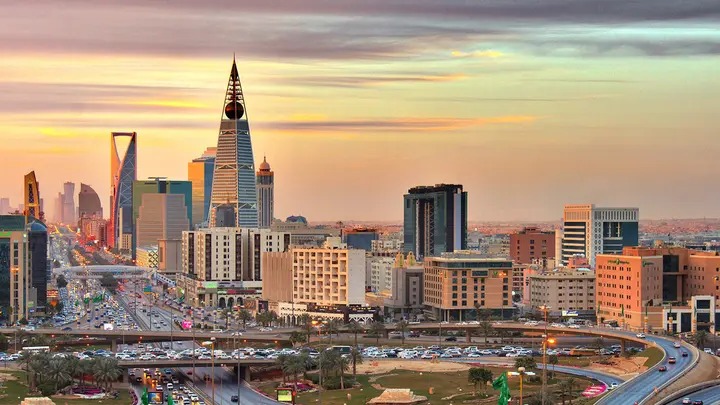
According to the study, the number of multinational companies licensed to establish Regional Headquarters (RHQs) in Riyadh reached more than 676 by the end of 2025, reflecting Saudi Arabia’s growing role as a regional business hub.
The study noted that these regional headquarters help relocate global decision-making functions to the Kingdom, promote research and development activities, strengthen supply chains, create high-quality employment opportunities, facilitate knowledge transfer, and increase demand for professional and technical services.
High-Growth Investment Sectors
The study identified the industrial sector as the largest recipient of foreign investment during 2025, attracting USD 18.4 billion and accounting for 31% of total non-oil foreign investments.
It also highlighted the mining sector, noting that Saudi Arabia’s mineral wealth exceeds SAR 9.4 trillion, while newly announced mining investments reached SAR 44 billion during the year.
Meanwhile, technology and artificial intelligence continued to attract strong investor interest, with announced projects and agreements during LEAP 2025 exceeding USD 14.9 billion.
The tourism sector also maintained strong momentum, welcoming 123 million visitors during 2025 and generating SAR 304 billion in tourism spending.
In transport and logistics, private-sector investments exceeded SAR 280 billion, supported by the operation of 24 logistics hubs, reinforcing Saudi Arabia’s position as a strategic logistics gateway connecting global supply chains.