

Middle East tensions, US interest rates and industrial demand have sent the three major commodities along sharply different paths
Oil, gold and silver have followed markedly different trajectories over the past six months, as geopolitical tensions, changing US interest-rate expectations and industrial demand reshaped global commodity markets.
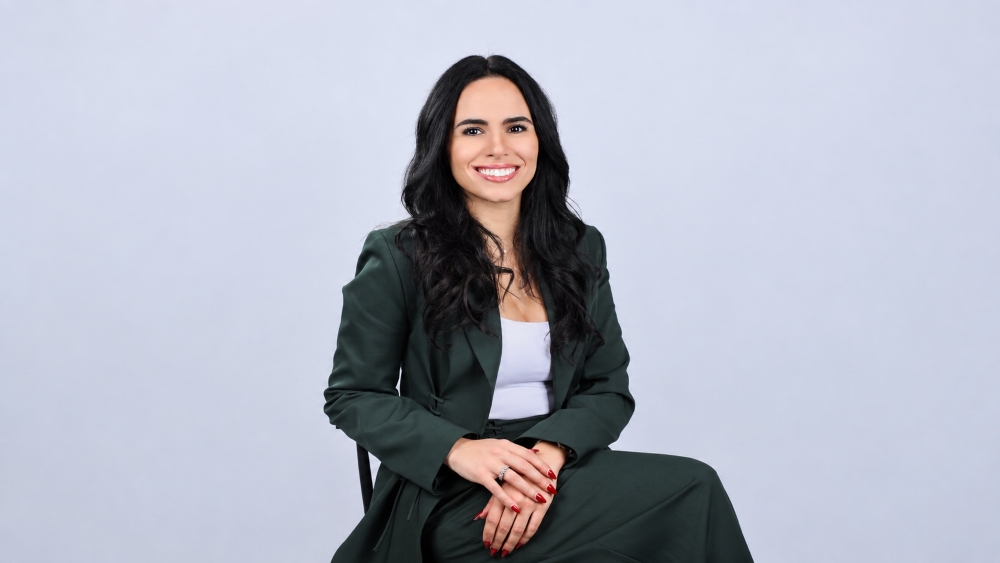
According to Nagham Hassan, MENA Market Analyst at etoro, two forces have dominated the market: conflict in the Middle East, which has disrupted physical energy supply routes, and the direction of US interest rates, which affects the appeal of non-yielding assets.
While oil has largely responded to geopolitical developments, gold has been driven primarily by monetary policy. Silver has been influenced by both interest rates and demand from industries including solar energy, electronics and artificial intelligence.
Oil remains tied to developments in the Middle East
Oil has reflected the impact of regional tensions most directly. Brent crude was trading near $73 per barrel before tensions escalated in the Middle East in late February. Disruption to tanker traffic through the Strait of Hormuz subsequently pushed prices to approximately $120 per barrel in early March.
Since then, oil has moved sharply in response to developments surrounding a potential resolution. With no settlement in sight, tanker flows through the Strait of Hormuz remaining below normal levels and global reserves being drawn down, prices have continued to carry a significant geopolitical premium. Recent disruption to Saudi Arabia’s Petroline has added further pressure.
Brent has remained above $100 per barrel since 9 September, trading within a range of approximately $103 to $109 by mid-month.
“The outlook for oil over the next six months will depend heavily on the direction of the conflict,” Hassan said. “Further escalation around the Strait of Hormuz or Bab Al Mandab, as well as continued Ukrainian strikes on Russian refineries, could increase the risk of a genuine supply shortage and keep prices well above $100 per barrel, particularly while reserves remain low. A durable de-escalation remains the clearest scenario that could bring prices down.”
Higher interest rates weigh on gold
Gold, by contrast, has been driven predominantly by interest rates. Because the metal does not generate a yield, it competes with bonds and savings products, which become more attractive as rates rise.
The yield on the 10-year US Treasury crossed 5% this week and touched 5.04%, a level not seen since July 2007, apart from a brief move in 2023.
However, pressure on gold began several months earlier. Hawkish signals from the US Federal Reserve, a strengthening US dollar and persistent inflation readings reinforced expectations that interest rates would remain higher for longer. Together, these factors encouraged investors to move capital from gold into interest-bearing assets.
The result was a substantial correction. After reaching a record of approximately $5,595 per ounce in January, gold declined by around 25% to 30% from peak to trough. It fell below $4,000 in late June, trading at approximately $3,960 to $3,980 per ounce.
Gold has since recovered from its summer low and was trading steadily at approximately $4,310 to $4,350 per ounce by mid-September. The Federal Reserve’s decision on Wednesday to raise rates for the first time in three years has introduced renewed pressure.
“Gold’s direction from here will depend on inflation data and whether the latest rate increase marks the beginning of a longer tightening cycle or is followed by a reversal,” Hassan added. “Persistently high rates and a strong dollar would remain challenging for the metal, while signs of easing inflation and a more accommodative Federal Reserve could restore investor demand.”
Industrial demand continues to support silver
Silver initially benefited from many of the same investment flows as gold, particularly as investors sought protection against persistent inflation and looked to precious metals as stores of value.
Its rally was considerably stronger, however, because it was also supported by industrial demand from the solar, electronics and AI sectors. This combination pushed silver to an intraday record of $121.67 per ounce in late January, while its annual gain reached 173% in May.
Silver has since corrected by approximately 47% from its record high as rising interest rates placed pressure on precious metals. Nevertheless, industrial consumption has helped cushion the decline.
“Unlike investment demand, industrial demand does not necessarily fall simply because bond yields rise,” Hassan explained. “Manufacturers still require silver for solar panels, electronics and other advanced technologies. This underlying demand helps explain why silver remains approximately 55% higher than a year ago, despite the recent pullback.”
Outlook for the next six months
The outlook for the three commodities will continue to be shaped by different catalysts. Oil is expected to remain closely tied to the conflict in the Middle East and the security of major supply routes. Gold will take its direction from inflation, the US dollar and the Federal Reserve’s next policy moves. Silver will respond to those same monetary forces while also reflecting the strength of industrial orders.
“Over the next six months, oil will follow the conflict, gold will follow the Fed, and silver will follow the Fed alongside the pace of industrial demand,” Hassan concluded.
About etoro
etoro is a trading and investing platform that empowers you to invest, share and learn. We were founded in 2007 with the vision of a world where everyone can trade and invest in a simple and transparent way. Today we have 40 million registered users from 75 countries. We believe there is power in shared knowledge and that we can become more successful by investing together. So, we’ve created a collaborative investment community designed to provide you with the tools you need to grow your knowledge and wealth. On etoro, you can hold a range of traditional and innovative assets and choose how you invest: trade directly, invest in a portfolio, or copy other investors. You can visit our media centre for our latest news.
Disclaimers
Availability of the above-mentioned products and services may vary by jurisdiction and country, for example not all of these products and services are currently available to US users.
Tori does not provide investment advice. Tori is an AI-powered tool designed to offer educational content, data and general market insights. It does not consider personal circumstances and should not be relied upon for investment decisions.
Zengo’s non-custodial wallet is a separate product from etoro’s regulated exchange services. Access to Web3 services through the wallet, including decentralized applications, token swaps, and staking, is not a regulated activity and is not offered, managed, or guaranteed by any etoro regulated entity. Users interact directly with third-party protocols and are responsible for their own actions.
etoro is a multi-asset investment platform. The value of your investments may go up or down. Your capital is at risk.
etoro is a group of companies that are authorised and regulated in their respective jurisdictions. The regulatory authorities overseeing etoro include:
The Financial Conduct Authority (FCA) in the UK
The Cyprus Securities and Exchange Commission (CySEC) in Cyprus
The Australian Securities and Investments Commission (ASIC) in Australia
The Financial Services Authority (FSA) in the Seychelles
The Financial Services Regulatory Authority (FSRA) of the Abu Dhabi Global Market (ADGM) in the UAE
The Monetary Authority of Singapore (MAS) in Singapore
etoro USA Securities Inc., registered with Securities and Exchange Commission (SEC) and member of FINRA and SIPC
etoro USA LLC state and FinCEN (31000318247697) registered
etoro NY LLC hold licenses with the State of New York (MTL #104940 and VC #122584)
Middle East
eToro (ME) Limited, is licensed and regulated by the Abu Dhabi Global Market (“ADGM”)’s Financial Services Regulatory Authority (“FSRA”) as an Authorised Person to conduct the Regulated Activities of
(a) Dealing in Investments as Principal (Matched), (b) Arranging Deals in Investments, (c) Providing Custody, (d) Arranging Custody and (e) Managing Assets (under Financial Services Permission Number 220073) under the Financial Services and Market Regulations 2015 (“FSMR”). Registered Office and its principal place of business: Office 26 and 27, 25th floor, Al Sila Tower, ADGM Square, Al Maryah Island, Abu Dhabi, United Arab Emirates.